A toddler can become completely absorbed in a video filled with flashing colors, strange characters, rapid cuts, and repetitive sounds. The content may look like harmless entertainment, but a growing category of AI-generated children’s videos is raising questions about how this type of stimulation affects young minds.
Known online as “AI slop,” these mass-produced videos are often built to attract clicks and keep viewers watching rather than provide a clear story or meaningful learning experience.
The concern is not that every AI-generated video is harmful. The bigger issue is the way some content uses constant stimulation, repetition, and unpredictable visuals to hold a young child’s attention. Parents who understand how these videos work can make smarter choices about what appears on a toddler’s screen.
What Is AI Slop?
“AI slop” generally refers to cheaply produced, mass-generated digital content that relies heavily on artificial intelligence. In children’s videos, it can include unusual characters, distorted objects, robotic voices, repetitive scenes, and plots that make little sense.
Dr. Michaeleen Doucleff, PhD, a science journalist and author of "Dopamine Kids: A Science-Based Plan to Rewire Your Child’s Brain and Take Back Your Family in the Age of Screens and Ultraprocessed Foods," identifies three common traits: speed, distortion, and repetition.
These videos often move quickly from one image to another. A character may suddenly change shape, an object may appear without explanation, or the same action may repeat every few seconds. The lack of a normal beginning, middle, and end is part of what makes the format different from traditional children’s programming.
Dr. Wilfred G. van Gorp, PhD, ABPP, a board-certified neuropsychologist and director at Cognitive Assessment Group, says many children’s videos are designed to “continuously inundate the sensory cortex with stimulation.”
Instead of giving children time to process a scene, these videos can pile on sound, movement, color, and surprises.
Why Toddlers Find It So Captivating
Pexels | AI slop videos hook young children by rapidly looping bright visuals, strange sounds, and sudden shifts.
Young children naturally respond to movement, sound, novelty, and repetition. AI slop videos can combine all four within a few seconds.
Bright colors appear. A strange sound follows. The scene changes. Something unexpected happens. Then the sequence starts again.
That pattern can make the next few seconds feel more interesting than whatever is happening around the child. Dr. Doucleff compares some of these tactics with attention-grabbing techniques used in the casino industry, including flashing visuals, rapid sounds, bright colors, and an endless supply of content.
Algorithms can add another layer. Some platforms monitor viewing behavior and use that information to recommend videos likely to keep a child watching longer. This can create a continuous stream of increasingly stimulating material.
A Massachusetts father, Dmitrii M., saw this pattern with his 3-year-old after a long day of moving. His son was given a tablet and selected a YouTube video. The platform soon recommended a strange cartoon featuring a robotic voice and floating cats. The child became absorbed in it, followed by a major meltdown when the viewing ended. Dmitrii said it took about an hour for his son to settle enough to sleep.
One experience does not prove that a particular video caused a child’s reaction. Still, it illustrates why parents may notice strong emotions around highly stimulating content.
Effects on Toddler Development
Research has not yet established exactly how AI slop affects toddlers because the content is relatively new. However, researchers already have concerns about heavy or poorly structured screen use during early childhood.
One cited study found that adding 30 minutes of daily screen time between roughly 18 months and 30 months of age was associated with emotional and social regression. That finding does not mean every 30-minute video session will cause developmental problems. It does show why the quality, amount, and context of screen use matter.
Dr. Doucleff offers two possible explanations for the effect of highly stimulating media. One is that rapid, attention-grabbing content may overwhelm a young child and make emotional control harder. Another is displacement: time spent watching screens replaces activities that help children practice regulation naturally.
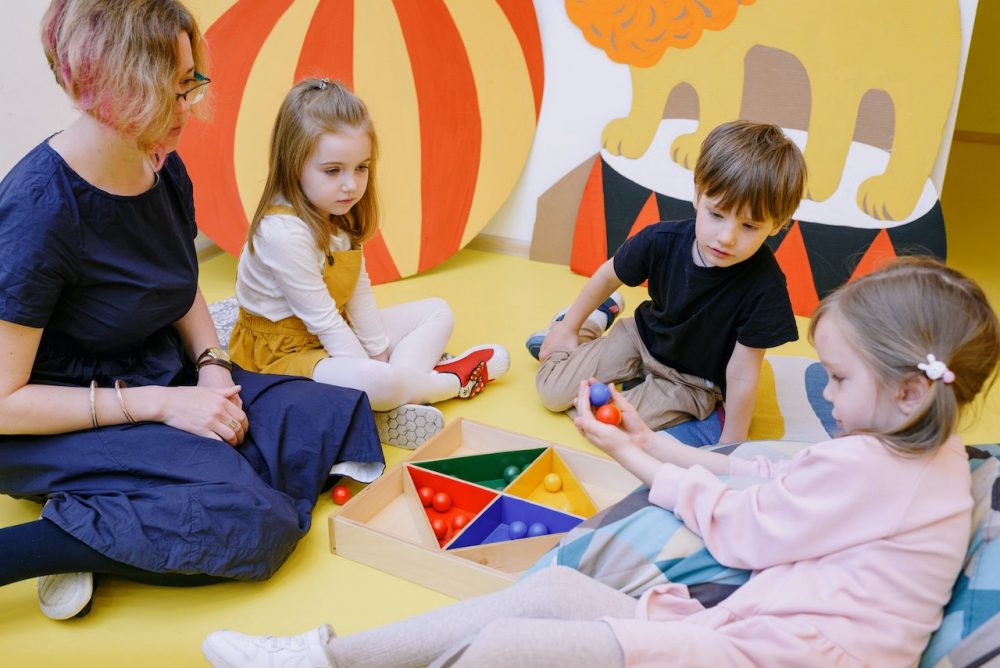
Those activities include pretend play, physical movement, outdoor exploration, creative activities, conversation with caregivers, playing with toys and learning to tolerate boredom.
Dr. van Gorp says families in his neuropsychology practice often report shorter attention spans after screen use. Again, this does not establish that AI videos alone cause the change, but it points to an issue parents can watch for.
The Dopamine Question
Dopamine is often described as a pleasure chemical, but its role is more complex. Dr. Doucleff explains that dopamine helps the brain remember rewarding experiences and encourages a person to repeat them. She describes it as the brain’s “do-it-again” button.
Highly stimulating videos can provide one rewarding moment after another. A new sound appears, then a new character, followed by another surprise. For a toddler, real-life activities may seem slower by comparison.
Freepik Turning off devices triggers sharp emotional shifts when children crave ongoing digital engagement.
That does not mean outdoor play, blocks, drawing, or family interaction suddenly lose their value. Instead, frequent exposure to highly stimulating media may make ordinary activities feel less immediately exciting.
Dr. van Gorp describes a similar pattern reported by one parent: a child went from being happy to screaming as soon as the screen was turned off. Such reactions can signal that the transition away from a highly stimulating activity is difficult, especially when the child expects another burst of entertainment.
How to Recognize AI Slop
Parents do not need to identify the technology behind every video. Instead, look at the way the content behaves.
Common warning signs include:
1. Very fast pacing - Scenes change constantly with little time to process what is happening.
2. Strange visuals - Animals, toys, food, or people may have distorted shapes or impossible features.
3. Mechanical audio - Robotic voices, sharp effects, and repeated sound loops appear throughout the video.
4. Repetitive action - The same event happens again and again with little story development.
5. Random plots - Characters move from one event to another without a clear reason or narrative.
6. Constant stimulation - The video rarely gives the child a quiet moment.
A fast-paced show is not automatically low quality. Traditional programs such as “PAW Patrol,” for example, can use bright colors and quick action while still presenting recognizable characters, a coherent storyline, and a clear resolution.
There is also plenty of content between very slow programming and AI slop. Natalie Gontcharova, senior editor at The Bump and a mother of one, notes that toy pretend-play videos can fall into this middle category. These videos may not offer much educational value, but they can still provide a more understandable story than random AI-generated clips.
Ways to Reduce AI Slop Exposure
Parents do not have to remove screens entirely to reduce exposure to low-quality content. Small changes can make screen time more predictable.
1. Watch Downloaded Content
Offline viewing removes much of the recommendation loop. Dr. Doucleff suggests moving screen use offline because parents can choose the videos in advance and avoid autoplay and endless recommendations.
2. Choose Calmer Programs
Programs with slower pacing, real-world activities, and clear stories can give toddlers more time to understand what they see. Dr. Doucleff recommends educational shows featuring real people and real-life activities. “Daniel Tiger’s Neighborhood” and “Sesame Street” are examples of established children’s programming with recognizable characters, stories, and learning themes.
3. Use a Shared Screen
Monica Rondeau, MSN, CPNP-PC, a pediatric nurse practitioner and program manager at Screen Sanity, recommends communal screens instead of giving a young child an individual device. Watching together also makes it easier for parents to notice what the child is viewing.
4. Check New Content First
Rondeau recommends reviewing unfamiliar media through resources such as Common Sense Media or watching it before showing it to a toddler. A quick preview can reveal strange visuals, unsuitable themes, or an excessive pace.
5. Disable Autoplay
Freepik | Turning off autoplay creates natural pause points, putting parents back in charge of what plays next.
Autoplay can turn one selected video into an uninterrupted viewing session. Turning it off creates a natural stopping point and gives parents more control over what plays next.
6. Prepare Non-Screen Options
A small activity bag can help during restaurant waits, appointments, or travel. Rondeau suggests carrying simple games or toys so a screen does not become the automatic solution whenever a toddler gets restless.
7. Try Audio
For older toddlers, audiobooks can provide stories without the visual overload of a screen. Dr. Doucleff says children around ages 3 or 4 can follow audiobooks while coloring, building with blocks, or doing another quiet activity.
8. Make Room for Boredom
Boredom can feel uncomfortable at first, but it gives children space to invent games and explore their surroundings. Simple activities such as coloring, clay, water play, kinetic sand, puzzles, and open-ended toys can keep hands busy without providing a nonstop stream of stimulation.
Helping Toddlers Build Healthier Habits
AI slop videos are a relatively new form of children's media, and researchers are still studying their long-term effects. The strongest concern is not artificial intelligence itself. It is the combination of rapid stimulation, repetition, strange visuals, algorithmic recommendations, and endless viewing.
Parents can reduce those risks by selecting content before viewing, disabling autoplay, using shared screens, choosing calmer programs, and protecting time for play, conversation, movement, and rest. Dr. Doucleff's message is straightforward: “toddlers and young kids don’t need screen time. They crave and want real life.”
That balance gives children access to useful media without allowing an endless stream of highly stimulating videos to crowd out the experiences that matter most during early childhood.