Annual gynecologic exams, better known as well-woman visits, get a bad reputation for no good reason. Many people think they only matter when something feels off. That idea misses the point. These visits are about staying ahead of problems, not reacting to them. They give you time, space, and expert insight focused entirely on your health.
Even though some screenings do not happen every year, the visit itself still matters. Bodies change quietly. Hormones shift. Stress shows up in physical ways. An annual exam catches those changes early and keeps your care on track.
Here are five solid reasons to keep that appointment on your calendar:
Early Problems Rarely Announce Themselves
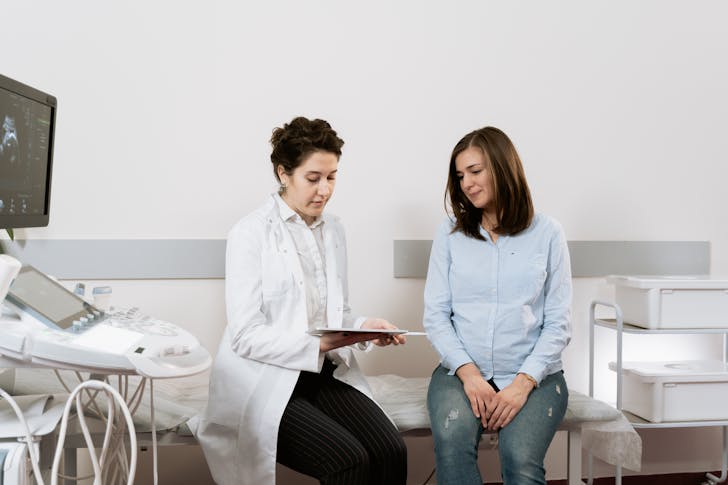
Mart / Pexels / Many serious conditions start without pain or obvious signs. Cervical changes, breast issues, and infections can grow quietly for years.
An annual exam creates a regular check-in that looks for trouble before it causes damage. That timing can make treatment simpler and outcomes much better.
Your provider also tracks patterns over time. A small change might not mean much once, but it can matter when seen year after year. This long view helps spot risks that a single visit would miss. Early action often means less stress, fewer procedures, and better peace of mind.
Your Reproductive Health Deserves Ongoing Attention
Periods, birth control, fertility, and sex all change across life. Annual exams give you a place to talk openly about what is working and what is not. These conversations help fine-tune care instead of settling for quick fixes. They also help prevent problems before they start.
Birth control needs can shift with age, health, and lifestyle. Menstrual changes can signal hormone issues or other concerns. Sexual discomfort is common and treatable. A yearly visit keeps these topics from piling up or being ignored until they feel overwhelming.
The Exam Covers More Than You Think

Andre / Pexels / A well-woman visit looks at your whole health picture. Blood pressure, weight changes, mood, sleep, and stress all come up.
These details connect closely to heart health, mental health, and long-term disease risk. Gynecologic care often catches these issues first.
This visit also includes counseling that fits your stage of life. Nutrition, exercise, vaccines, and mental well-being matter just as much as physical exams. Having one provider connect the dots saves time and leads to smarter care decisions that actually fit your life.
Life Transitions Hit the Body Hard
Puberty, pregnancy planning, postpartum recovery, and menopause all bring major changes. Annual exams offer steady guidance during these shifts. Instead of guessing what is normal, you get clear answers from someone who knows your history. That reassurance matters more than most people realize.
Symptoms like hot flashes, heavy bleeding, or pelvic pressure should not be brushed off. These visits help manage symptoms early, before they disrupt daily life. They also help plan ahead, so changes feel manageable instead of alarming.
Trust Builds Better Healthcare
Seeing the same provider regularly builds comfort and trust. That trust makes it easier to speak honestly about sensitive topics. When your provider knows you well, care becomes more personal and more effective. Small concerns feel safer to share before they turn into big ones.
This relationship also creates a health baseline. Subtle changes stand out faster when someone knows what is normal for you. Over time, that partnership leads to smarter decisions and fewer surprises. Healthcare works best when it feels like teamwork, not a one-time transaction.
Some people skip visits because they feel fine. Feeling fine does not always mean everything is fine. Preventive care works quietly in the background. It protects future health, not just present comfort.