
Menopause is commonly described as a natural stage, but the healthcare surrounding it doesn’t always reflect that importance. Many women reach this point with questions about what to expect, how it affects long-term health, and what treatments are available.
Even so, those topics are often only briefly touched on during medical visits. Specialists say menopause is a long, evolving process, which means it deserves more focused conversations than standard appointments typically allow.
Having a clearer sense of how menopause care works—including the time and cost involved—can help individuals seek out more meaningful support during this stage.
Why Dedicated Medical Visits Matter
Menopause is not an overnight shift. Hormonal changes begin years before the final menstrual cycle, often bringing a mix of physical and emotional symptoms. Addressing them properly requires focused medical attention.
Dr. Monica Christmas, associate professor of obstetrics and gynecology at the University of Chicago and associate medical director of The Menopause Society, explains that not all appointments are equally effective.

Freepik | Menopause is a gradual process requiring proactive medical care to manage its early symptoms.
“When you’re making the appointment, make sure that the person on the other end understands what you’re coming in for,” Christmas said.
Clear communication during scheduling allows the clinic to set aside enough time to discuss menopause-related symptoms, treatment choices, and health concerns.
Without that preparation, the visit may not provide the time required to explore the full scope of menopause care.
Why Annual Exams Are Not Enough
Many patients attempt to bring up menopause symptoms during a routine yearly exam. However, these appointments usually focus on preventive screenings rather than in-depth discussions.
A standard well-woman exam often lasts around 15 minutes. During that short window, physicians focus on routine preventive screenings, including Pap smears, breast exams, mammogram orders for age-appropriate patients, and, when needed, referrals for bone density scans.
Dr. Christmas notes that these preventive services already fill most of the appointments.
“An annual visit just means you need your Pap smear, you need a breast exam, maybe your order for your mammogram, if you’re of a certain age, maybe your order for your bone density scan,” Christmas said.
As a result, there is little time left to address symptoms like hot flashes, sleep disruptions, mood changes, or hormonal therapy options.
What Happens During a Consultation
A menopause consultation functions differently from a standard annual exam. The focus shifts from routine screening to symptom evaluation and long-term health planning.
According to Christmas, the consultation reflects a different clinical mindset.
“A menopause consultation is very different,” she said. “(Such patients) actually are experiencing other symptoms and that’s a whole different mindset shift, too.”

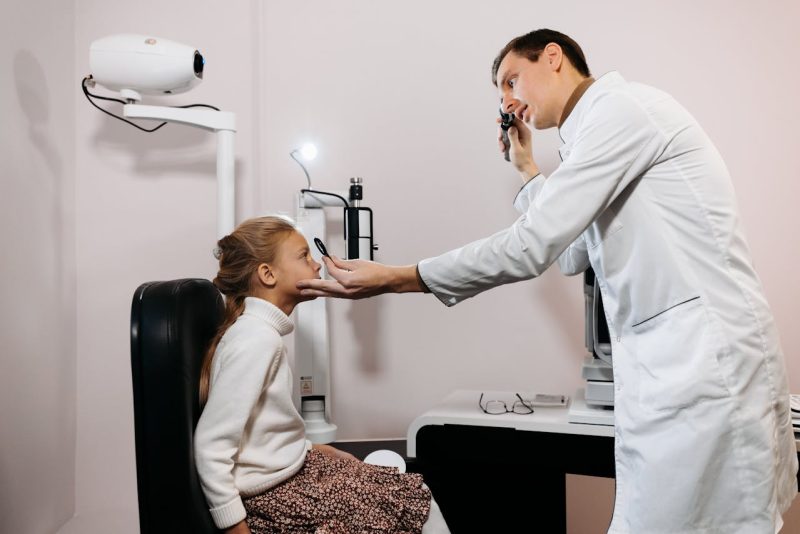
Freepik | Menopause consultations prioritize symptom management and long-term health planning over routine screening.
During a menopause visit, doctors check hormone-related symptoms, sleep changes, mood shifts, and bone health. They also look at heart health risks and talk about treatment options. These can include hormone therapy or non-hormonal approaches based on the patient’s needs.
The goal is to evaluate symptoms that may last for several years and design a plan that supports overall health through the menopausal transition.
The Financial Side of Menopause Care
Another factor many people overlook is the cost difference between preventive visits and symptom-focused consultations.
Doctors often bill preventive exams differently because they screen for potential issues rather than provide treatment. In contrast, during a menopause consultation, the doctor evaluates symptoms, discusses treatment options, and spends extra time with the patient.
“They are billed very differently,” Christmas said.
Because the doctor needs more time and must perform a medical evaluation, the appointment may cost more than a standard preventive visit. Insurance companies may also adjust coverage depending on whether they classify the appointment as routine care or symptom management.
Menopause extends over several years and brings hormonal changes that can affect sleep, metabolism, bone health, and emotional balance. Because of this complexity, routine annual exams rarely provide enough time to address menopause-related concerns in depth.
Medical specialists recommend scheduling a dedicated menopause consultation. Dr. Monica Christmas of the University of Chicago and The Menopause Society says these appointments help doctors review symptoms, discuss treatment options, and make a long-term care plan that fits each patient’s health needs.